


Lab News 0
- 08.29.2026 - Dr. Scheffer's research with collaborators at the University of Iowa examining empathy motivation in people with lesions to the vmPFC was recently accepted at the journal Social Cognitive and Affective Neuroscience (doi: 10.1093/scan/nsag072).
- 08.27.2026 - Congratulations to Emil on defending his Master's thesis! Emil's thesis examined how hope and optimism for eliciting empathy from others when sharing personal experiences of social injustice might be influenced by intergroup considerations. Great work, Emil!
- 06.15.2026 - Dr. Scheffer will be attending the Society for Experimental Social Psychology meeting in Montreal, QC, Canada in October to present on findings from his postdoctoral research on empathy and emotions during conflict resolution in dementia caregiving dyads (chairs: Michael Poulin, Claudia Haase).
- 06.09.2026 - Dr. Scheffer's postdoctoral research, led by collaborator Casey Kenyon Brown, examining interpersonal emotion regulation in dementia was recently accepted at Emotion. (doi: 10.1037/emo0001724).
- 04.01.2026 - Congrats 🎉 to Aashna Biala for being awarded the SSHRC CGRS-M award! And congrats 🎉 to Joshua Budge for being awarded the CIHR CGRS-M award! Both were also awarded with the OGS, which they declined for the CGRS-Ms.
- 03.18.2026 - Welcome to the lab, 🎉 Layla! Layla completed her BA at the University of Waterloo, and will be a graduate student in the MISC Lab in Fall, 2026.
- 03.10.2026 - Dr. Scheffer will be presenting his research examining empathy motivation in patients with vmPFC lesions. This will be part of a symposium at the Canadian Society for Brain, Behaviour, and Cognitive Science at York University in June. The empathic brain: new insights from cognitive, neuroimaging and patient perspective (Chair: Dr. Roxane Etier).
- 01.18.2026 - Dr. Scheffer's research examining empathy motivation in people with amygdala lesions with collaborators at the University of Iowa was recently accepted at Brain.
- 12.3.2025 - An article from Dr. Scheffer's postdoctoral fellowship research that was led by his collaborator, Dr. Jenna Wells, was recently accepted at Journals of Gerontology Series B. This research examined how caregivers described a time they felt connected with the person they cared for, and how this predicted caregiver depression trajectories.
- 09.12.2025 - Dr. Scheffer will be presenting at the annual meeting of the Society for Personality and Social Psychology in Chicago, IL on research examining emotions and empathic accuracy during conflict navigation in dementia caregiving dyads. In the session: Emotional Responses to Others' Suffering: How (Much) Should I Feel?
- 08.15.2025 - An article from Dr. Scheffer's postdoctoral fellowship research that was led by his collaborator, Dr. Kuan-Hua Chen, was recently accepted at Journals of Gerontology Series B. This research examined how an indicator of emotional functioning deficit, smaller preparatory physiological responses, in people with dementia would be associated with caregiver emotional well-being during active caregiving.
- 07.05.2025 - Dr. Scheffer's article examining how income levels associate with the health trajectories of caregivers after caregiving has ended was recently accepted at Aging & Mental Health
- 05.23.2025 - Dr. Scheffer's article examining the effectiveness of in-home assistive technology in supporting dementia caregivers' sleep using randomized control trials was recently accepted at Clinical Gerontologist
- 04.29.2025 - Welcome 🎉 to the lab, Mehak Bhatia and Jack Cordingly! They will be joining us as new undergraduate research assistants.
- 04.11.2025 - Dr. Scheffer will attend and speak at the Chicago Consortium on Longevity May 30th 🗓 at Northwestern University.
- 04.08.2025 - Dr. Scheffer attended and was the keynote speaker for the University of Waterloo's Psychology Discovery Conference - Program
- 03.31.2025 - The MISC Lab welcomes 🎉 Amal Elbuluk as an incoming USRI student this summer!
- 03.26.2025 - Dr. Scheffer gave a social area brownbag at the University of Waterloo - Empathy's Other Side: Consequences of Sharing Personal Experiences with Injustice.
- 03.11.2025 - The MISC Lab will be growing this Fall! Welcome 🎉 Aashna Biala (SPDP) and Joshua Budge (CSP), who'll be joining us as graduate students. Aashna completed an HBSc at University of Toronto Scarborough Campus, and Joshua completed an HBSc at Waterloo University.
- 01.16.2025 - Dr. Scheffer will be presenting at the annual convention for the Society for Personality and Social Psychology in Denver, CO on Saturday, February 22nd at 3:15pm 🗓 Symposium title: Facing Discrimination: The Importance of Emotion Regulation and Emotional Goals. Talk title: Empathy's Other Side: Consequences of Sharing Personal Experiences with Injustice.
- 11.14.2024 - Dr. Scheffer presented in a late-breaking symposium presentation at the annual meeting of the Gerontological Society of America (Seattle, WA, USA) on research from his postdoctoral fellowship: In-Home Assistive Technology Protects Dementia Caregivers from Worsening Sleep Efficiency.
- 10.11.2024 - Our grad applications are going live on October 14th 🗓 I am reviewing applications for students in a few areas (SPDP, CDBS, CSP). Also, our RA application is live! See details below.
- 04.07.2024 - Welcome 🎉 to the lab, Emil! Emil is completing a BA in Psychology at Simon Fraser University, and will be a graduate student in the MISC Lab at Western in Fall, 2024.
Motivational Influences and Social Cognition Lab (MISC Lab)
The lab investigates people's propensity, capacity, and generally their desire to "opt-in" to socioemotional processes like empathy and compassion. We study these questions using approaches from social and cognitive psychology, affective neuroscience, and psychophysiology. The lab currently conducts research in the areas of aging, stress, dementia caregiving, neurodegeneration, cognition, neuroscience, health, and well-being.

People
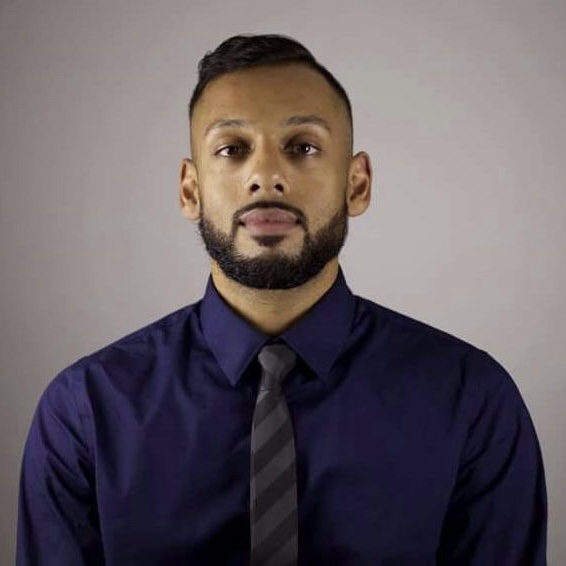
Dr. Julian Scheffer, Assistant Professor of Psychology
Principal Investigator (PI)
My research broadly examines the effectiveness of socioemotional processes like empathy and compassion across different interpersonal contexts that may be challenging and difficult. I study how mental effort perceptions, brain damage, and neurodegeneration impact people's propensity, capacity, and willingness to share in and understand the perspectives of others and feel concern for their well-being. I also examine how these same processes are impacted across challenging interpersonal and health contexts such as in the context of dementia caregiving.
Prior to arriving at Western, I completed my HBSc at University of Toronto Scarborough, my MA at University of Iowa, and my PhD at the Pennsylvania State University, I additionally completed a three-year postdoctoral fellowship at the University of California Berkeley.
Graduate Students
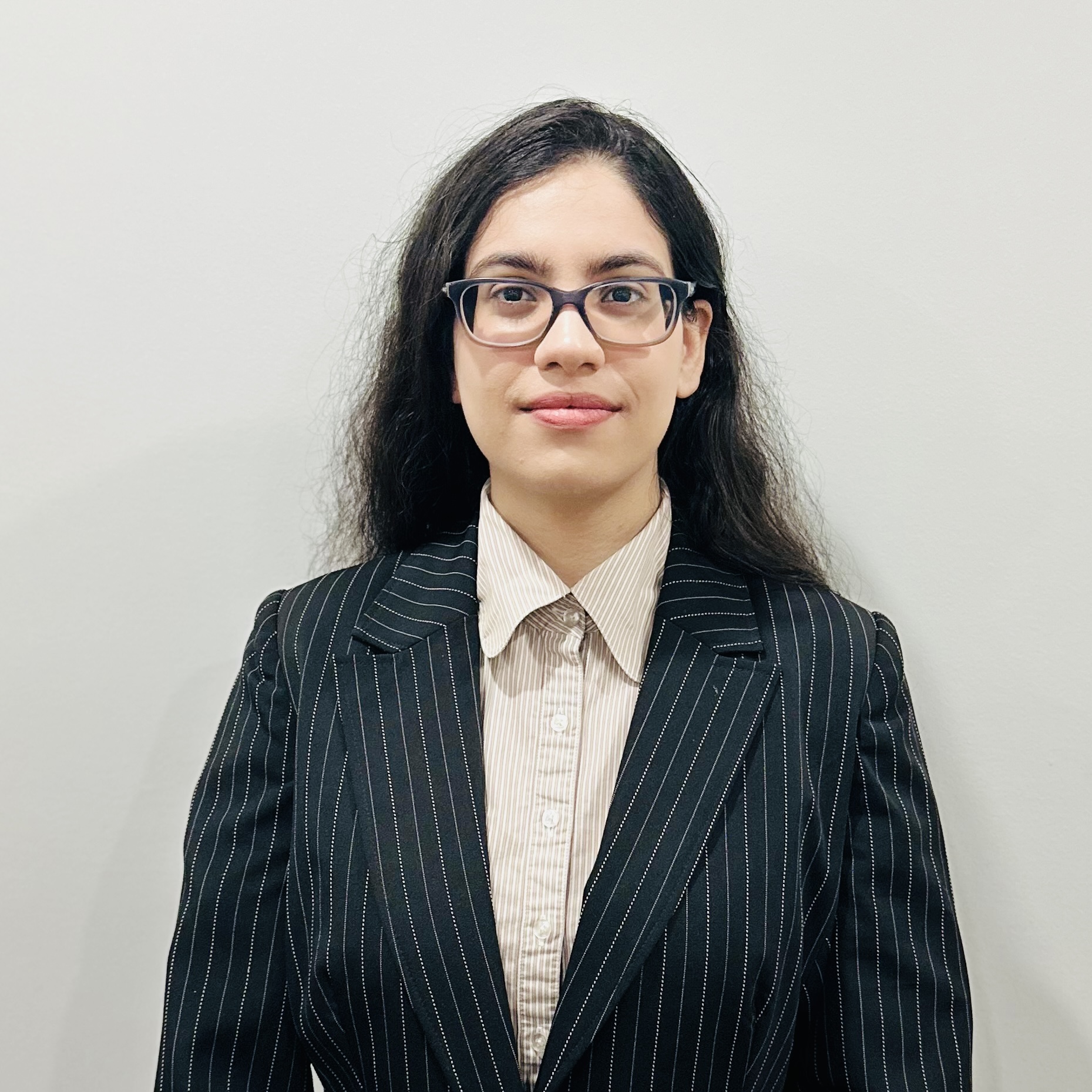
Aashna Biala
MSc Y2 (SPDP)
I completed my HBSc at University of Toronto Scarborough. Currently, I am pursuing an MSc in social psychology at the University of Western Ontario under the guidance of Dr. Julian Scheffer. My research interests lie in the domain of affective science, such as empathy and compassion, and its influence on interpersonal interactions and social dynamics. I aspire to eventually pursue a PhD in social psychology.
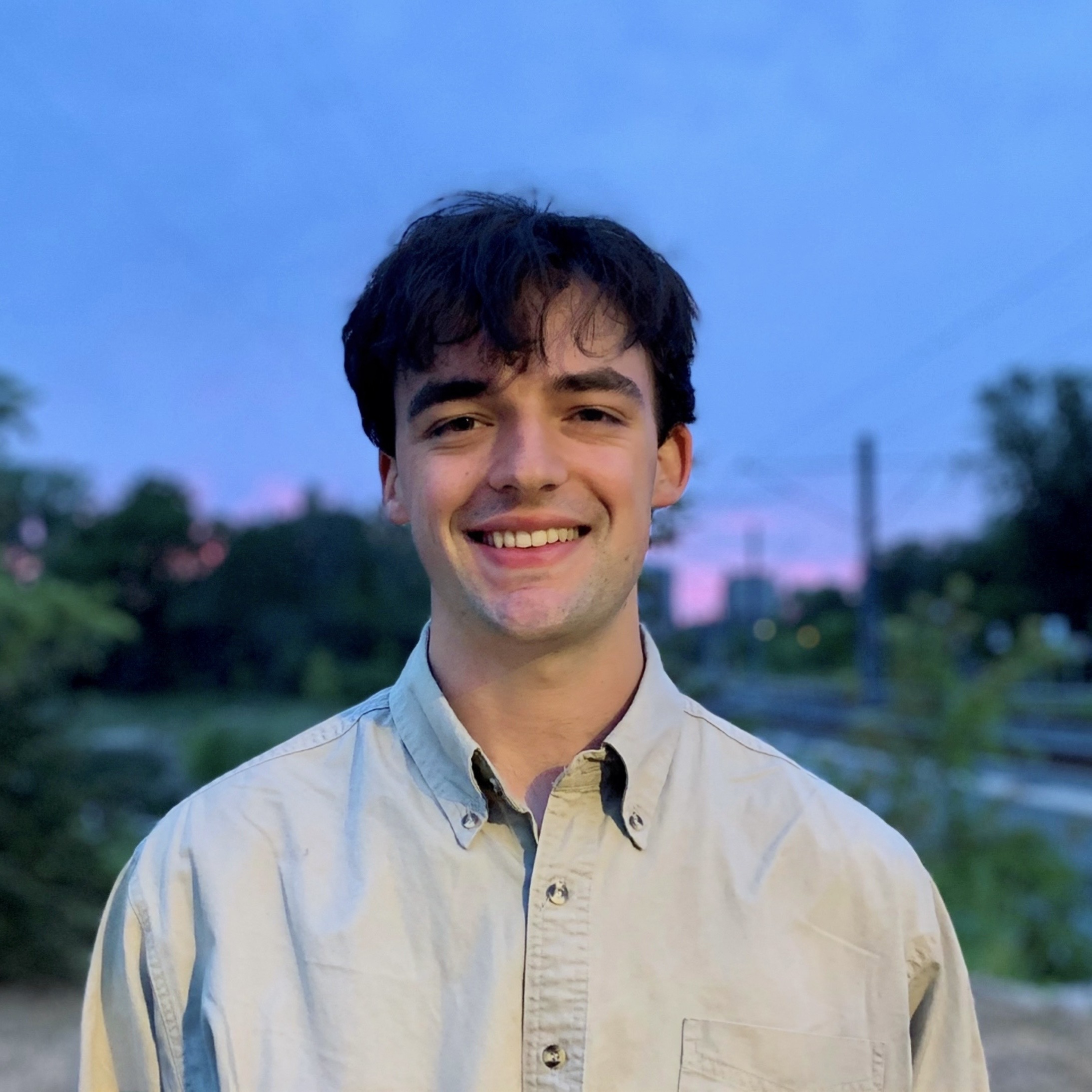
Joshua Budge
MSc Y2 (CSP)
I am an MSc student in the Clinical Psychology Graduate Stream here at UWO. My research focuses on the use of socioemotional assessments to improve diagnosis and differentiation of neurodegenerative conditions. I am also interested in the brain mechanisms underlying socioemotional function, as well as the social, cognitive, and emotional experiences of people living with neurodegenerative disease and their caregivers.
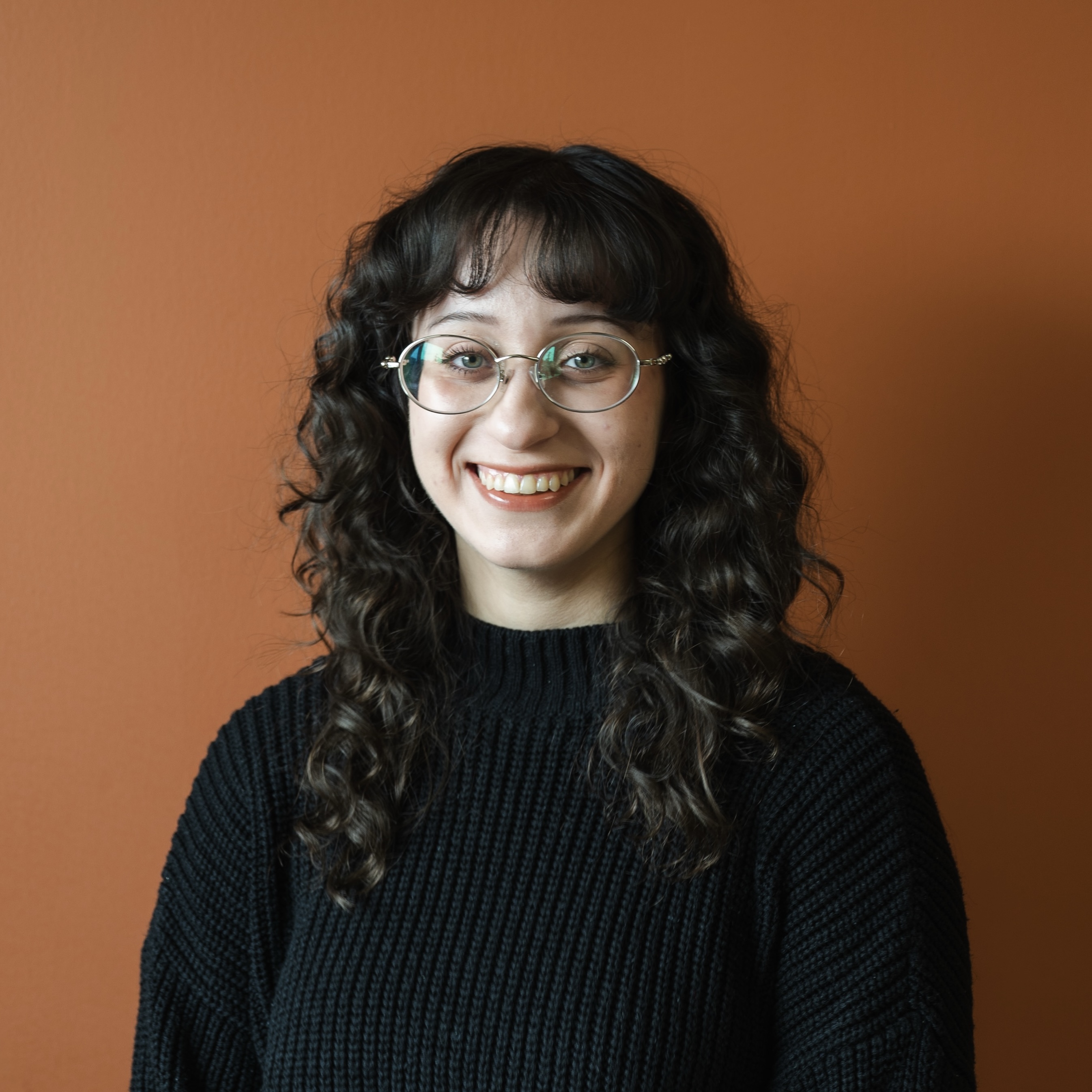
Layla Hussain
MSc1 (SPDP)
I completed my BA in Psychology at the University of Waterloo. During my undergraduate studies, I completed an honours thesis examining how eye contact alters the perception of time. I also worked as a research assistant supporting various EEG/ERP studies and as a coordinator for the Talk2Thrive community outreach project. My research interests focus on the psychological and social mechanisms underlying empathy and compassion within the context of caregiving and brain injury. More broadly, I am interested in neuropsychology, perception, and the social determinants of health.
Honours Thesis
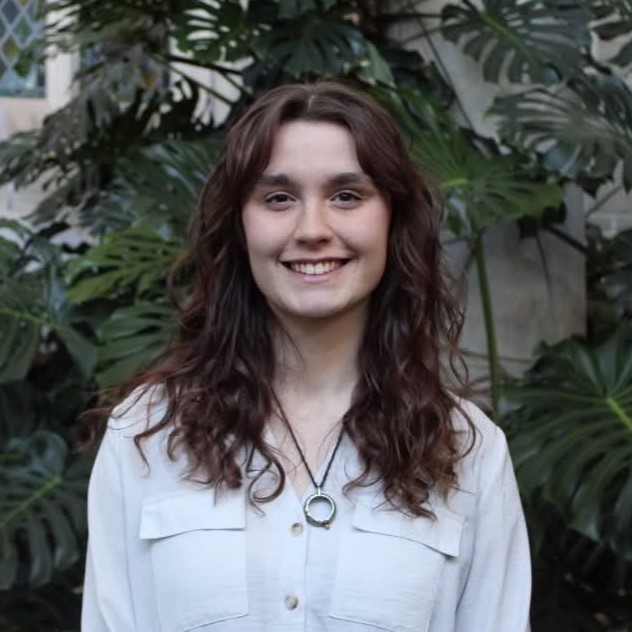
Elle Tomorad
I am a fifth-year Honours Specialization Student. My research interests in the MISC Lab pertain to how people are influenced by empathy, and how strongly motivated they are by altruism.
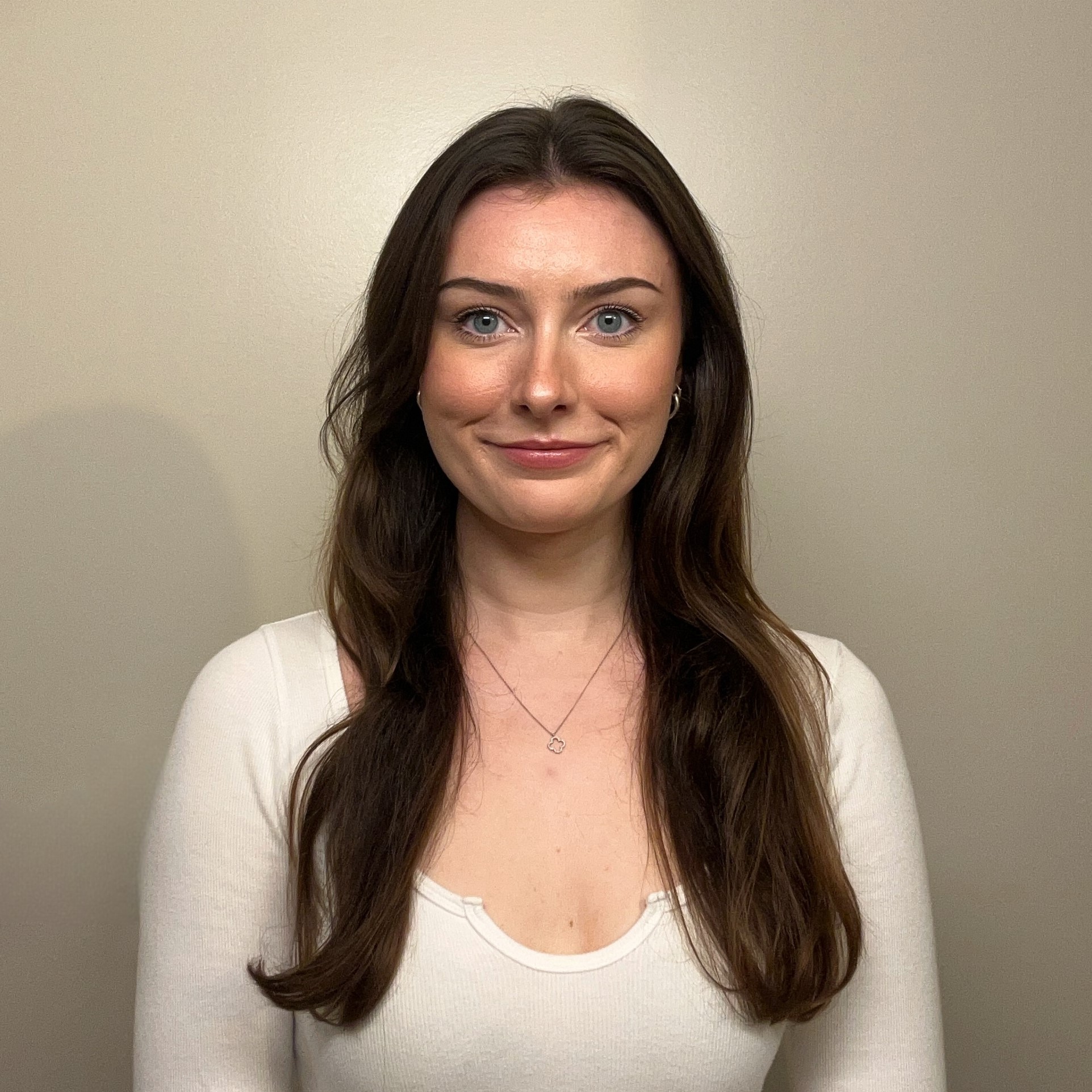
Olivia Hanham
My main interest in psychology lies in human cognition and exploring the fundamental processes that make us who we are. In the MISC lab, I look forward to expanding our understanding of psychosocial constructs such as empathy and compassion, and how they influence interpersonal relations between people living with neurodegenerative diseases and their caregivers.
Undergraduate Research Assistants

Amal Elbuluk
I'm an undergraduate (Hons. BSc) Psychology student at Western University. My main research interest is exploring how marginalization influences individuals' interpersonal and emotional functioning. Particularly in relation to empathy, compassion, and trauma symptom manifestation.
Jack Cordingley
I have a strong interest in behavioral psychology, clinical science, and the socioemotional processes that guide human connection. In the MISC Lab, I hope to explore how motivational factors shape decisions to engage with others emotionally, and how these insights can inform both clinical practice and broader interpersonal dynamics.
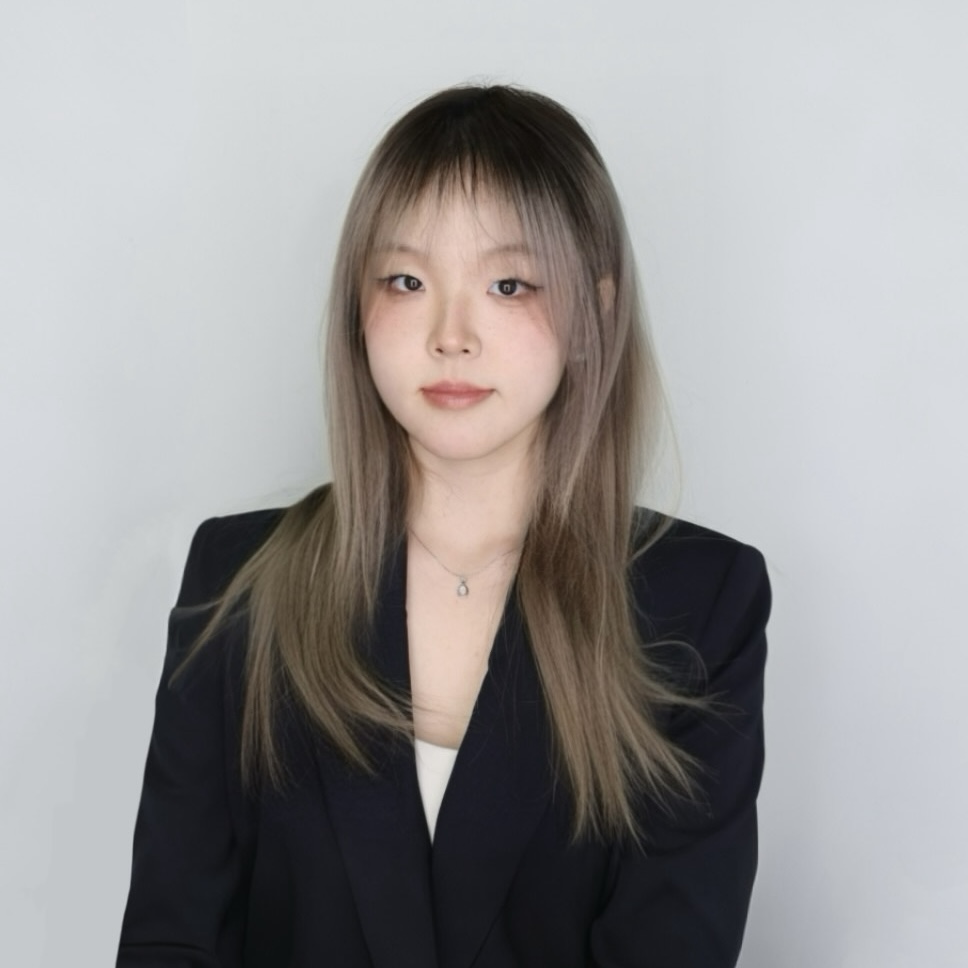
Kitty Gao
I am a (Honours Specialization) Psychology student at Western University and a HBA1 student at Ivey Business School. I am interested in empathy and compassion, and how they contribute to interpersonal relationships as well as how they are evaluated in caregivers of patients with neurodegenerative diseases.

Ngawang Yehshopa
I am a (Honours Specialization) Neuroscience student at Western University. My main research interest would be exploring patients with neurological conditions and how it may affect emotional processing and expression.
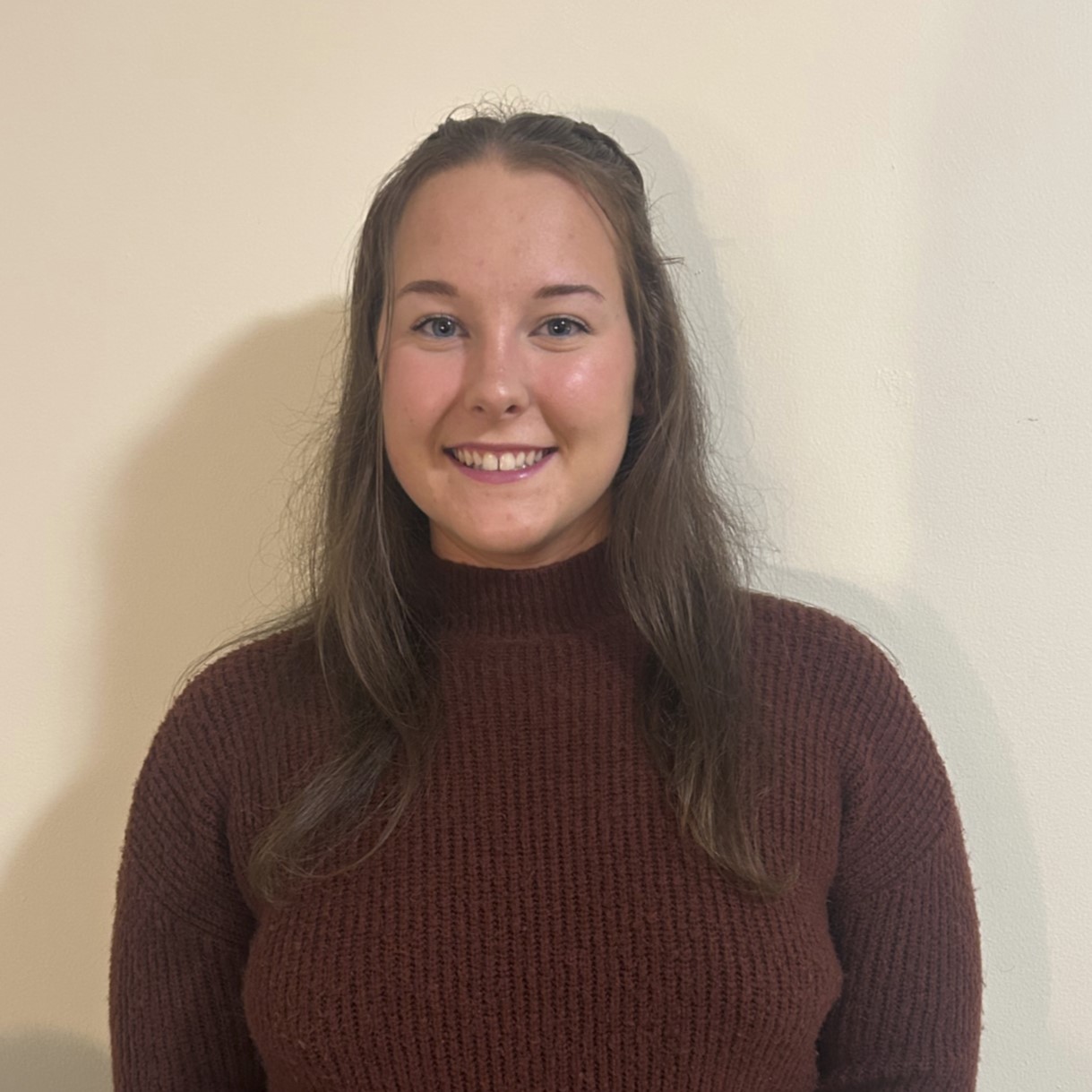
Laurren Theriault (King's University)
I am a honours specialization psychology student at Western University (King's Campus). My research interests surround empathetic responses to social issues/situations and how those responses can differentiate greatly depending on context.
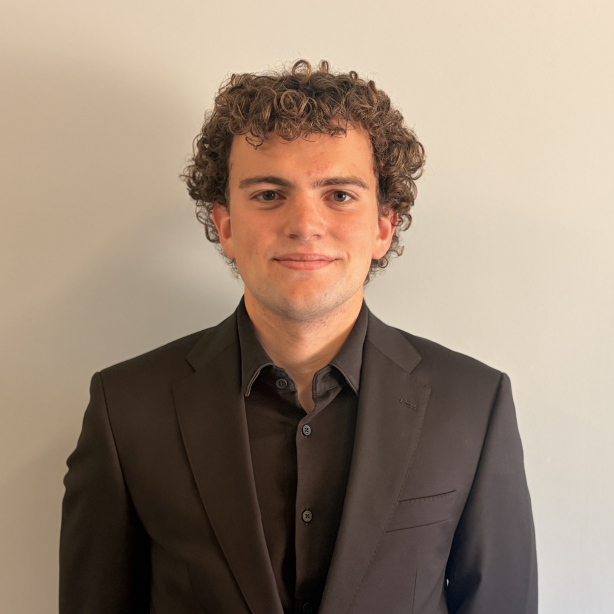
Marshall Howard
I am a Honours student in Psychology, specializing in Cognitive developmental Neuroscience, and pursuing a minor in Ethics. While in the MISC Lab, I aim to learn how empathy and other socioemotional processes can shape human relationships. I hope to explore how this information can be used to aid in real world environments, particularly in patient care and across the lifespan.
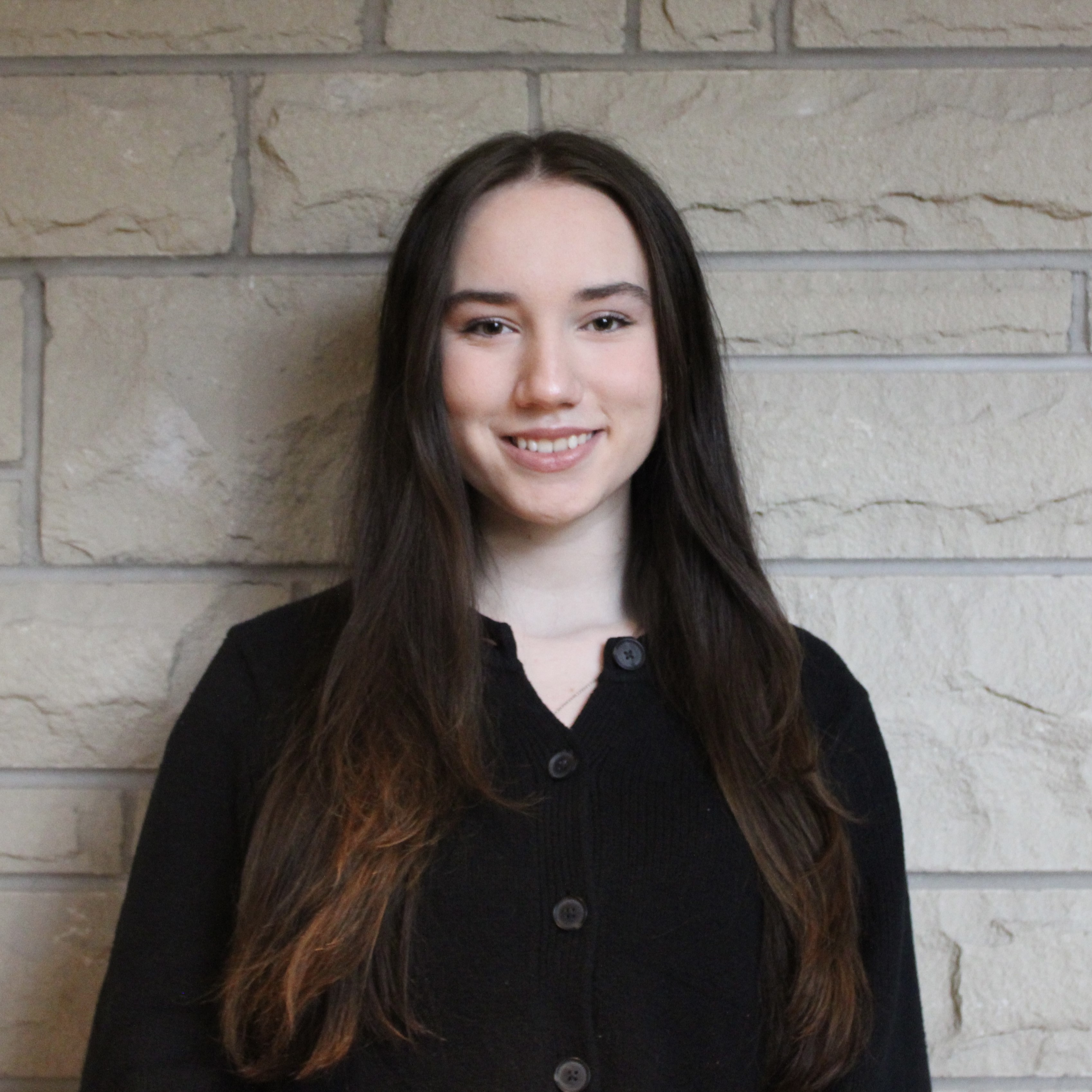
Grace Crocker
I am a Honours Specialization Psychology student at Western University. My research interests centre around empathy and compassion, particularly what influences our willingness to engage with other people's experiences and when we choose to distance ourselves emotionally.
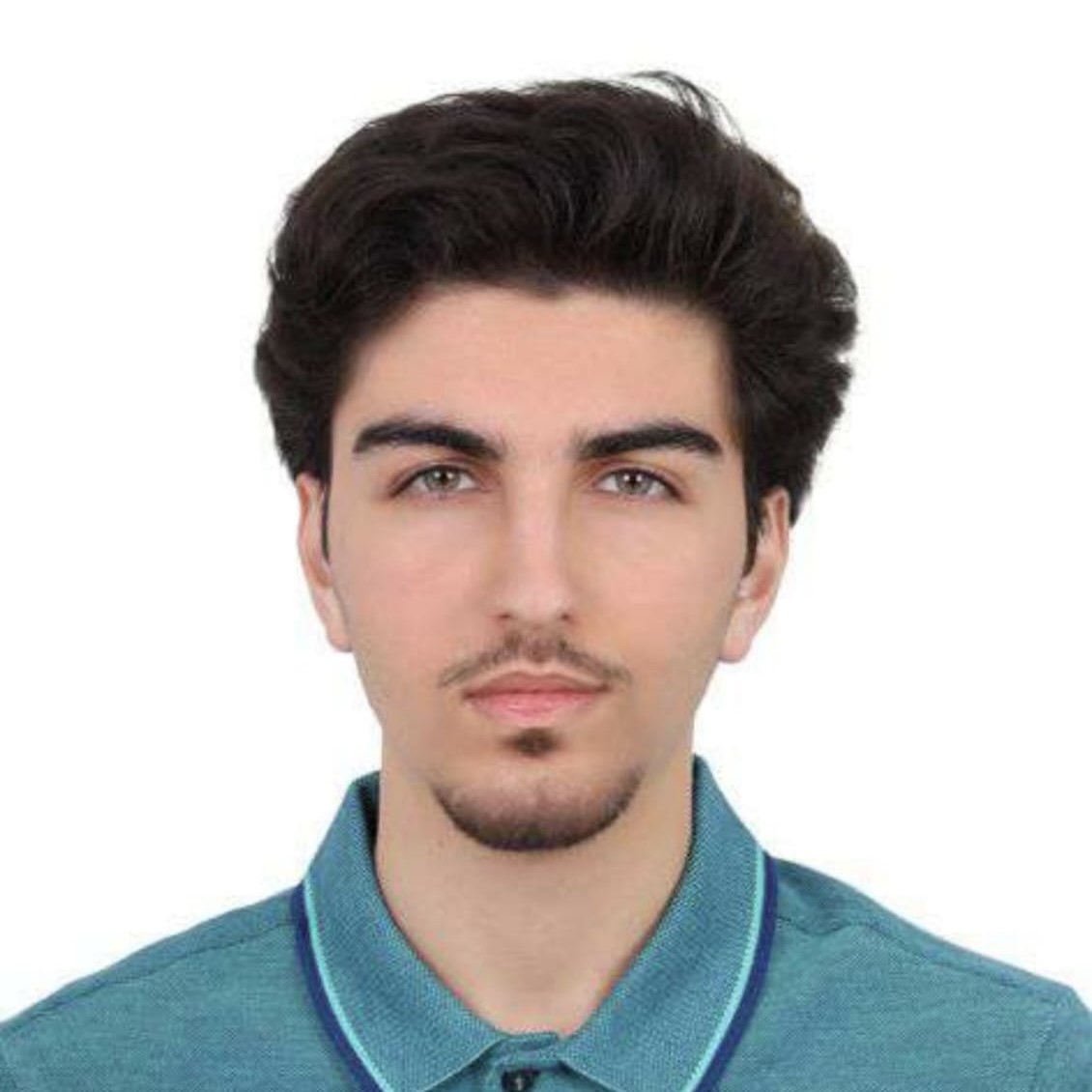
Zafer Alabbas
I am a Honours Developmental Cognitive Neuroscience BSc student with a strong interest in brain-behavior relationships and the psychological and neural mechanisms underlying socioemotional processes. I hope to deepen my understanding of these processes and explore how this knowledge can be applied to understanding individual differences, mental health, and human behavior.
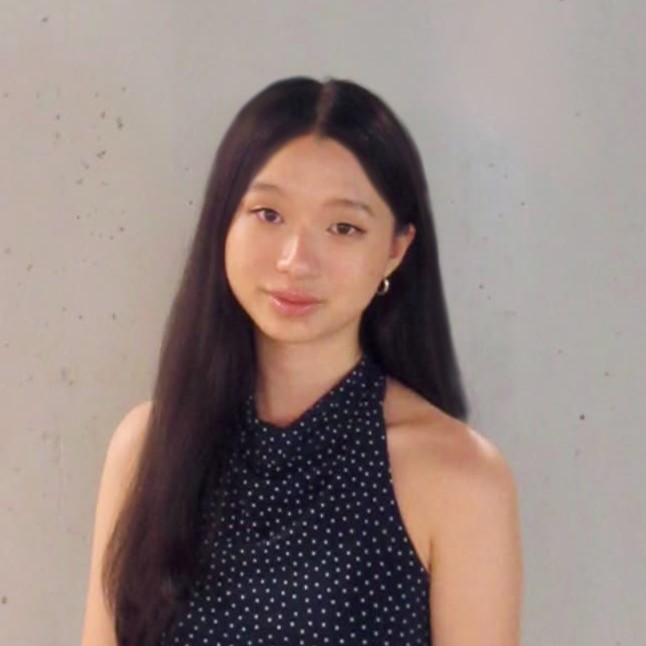
Alison Guo
I am a Medical Sciences student at Western University. My research interests focus on how emotions influence the way we understand and respond to others, specifically what drives us to engage with others emotionally and how this relates to caregiving and interpersonal relationships.
Alumni
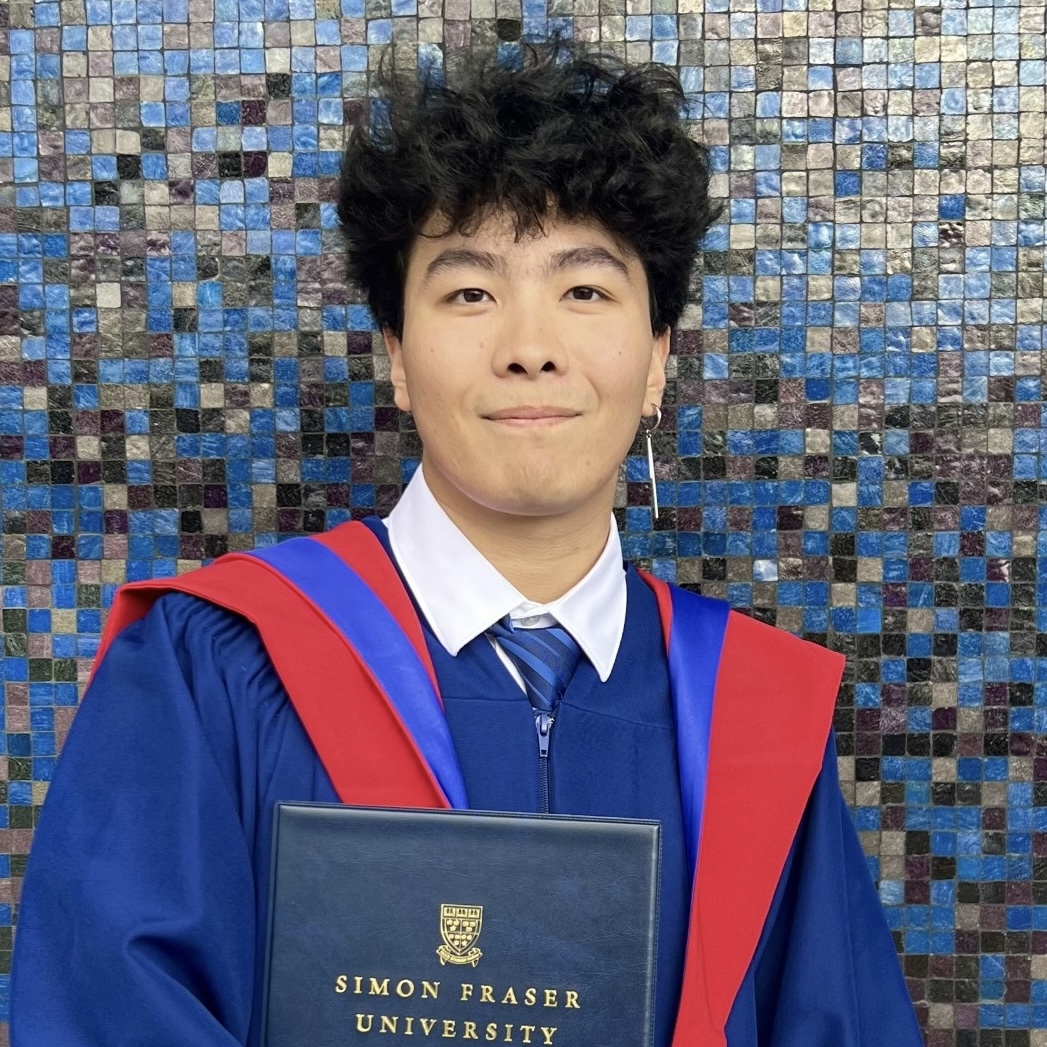
Emil Dzhunushaliev
MSc(SPDP)
I completed my MSc at the University of Western Ontario working under the supervision of Dr. Julian Scheffer. I completed my BA in Psychology (Hons.) at Simon Fraser University in Vancouver. Broadly speaking, my research interests involve hope, optimism, intergroup relations, and empathy.

Mehak Bhatia
Former Undergraduate Research Assistant.
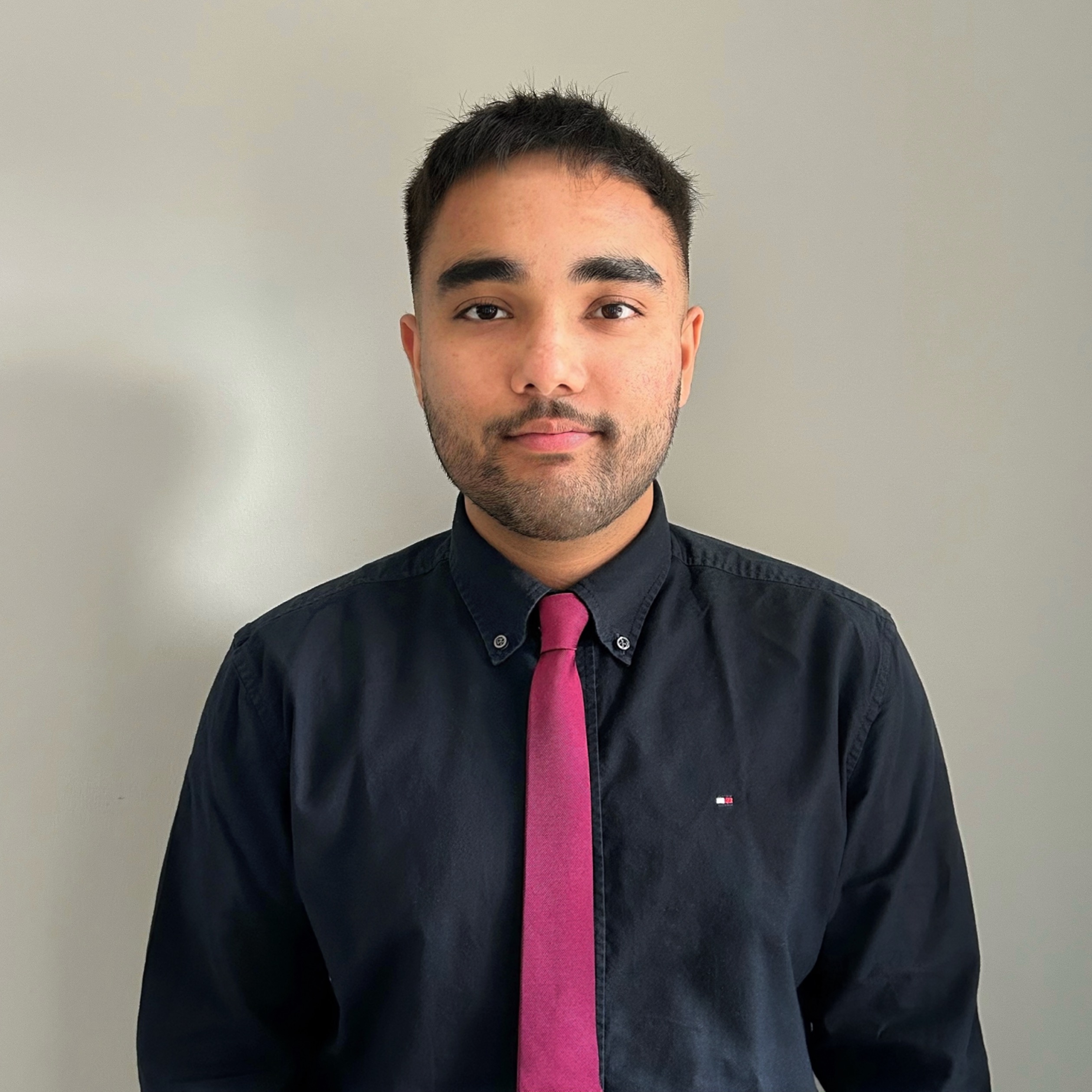
Shagun Chander
Former Undergraduate Research Assistant
Research Lines
Factors that Influences Decisions to Engage in Interpersonal Emotional Processes (e.g., Empathy, Compassion).
When seeing someone in the distance asking people for spare change, or viewing a charity ad depicting people suffering on TV, how do people decide to engage with these people using empathy and compassion, or avoid these types of experiences altogether? The lab applies motivational frameworks such as effort-based decision-making (EBDM) to examine whether people would select into opportunities to experience empathy - sharing in the feelings and experiences of other people as if they were their own, compassion - feeling a warm and caring concern that may not necessarily involve sharing that person's suffering, or avoid these experiences by remaining emotionally detached so they can objectively evaluate the external situation. We investigate where mental effort emerges in these responses, as well as how we can overcome those costs to increase social engagement.

The Neural Substrates of Decisions to Experience Empathy and Moral Judgment
Leveraging a neurobiological approach and using patient models, the lab investigates the neural substrates that may influence people's decisions to engage in empathy. We study whether individuals with lesions to these regions would show differences in their willingness to cultivate empathy, and further explore whether differences would emerge when choosing in the context of a more affective form of empathy - experience-sharing, or a more cognitive form of empathy - involving imagining another person's emotional experience. The lab also studies neurodegenerative diseases which impact regions linked with socioemotional function, such as the insula, which is often seen in frontotemporal dementia (FTD).
Dementia Caregiving
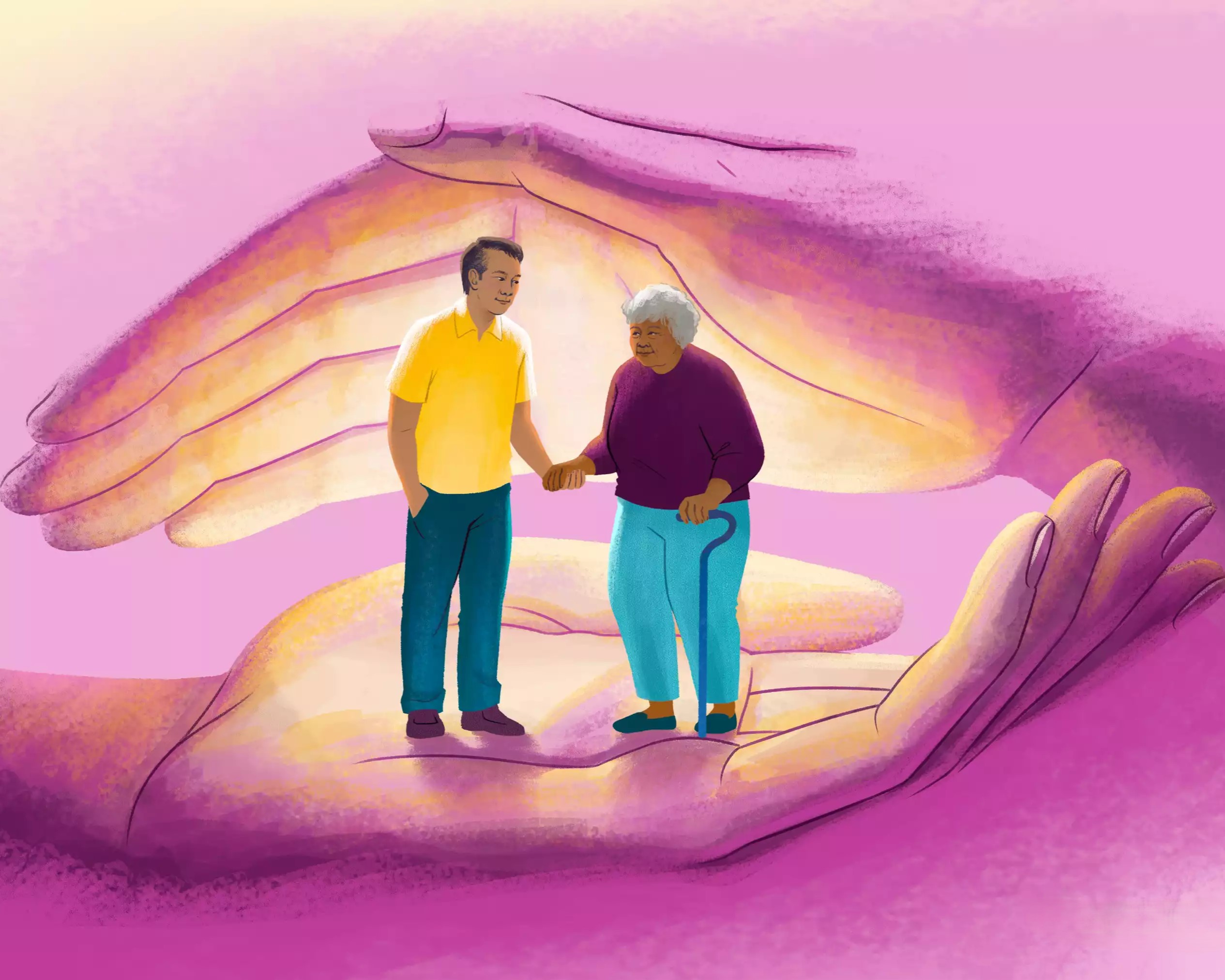
An urgent health issue within Canada and around the world is the emerging number of individuals who care for a loved one diagnosed with an age-related neurodegenerative disease, such as Alzheimer's disease, that can lead to dementia. These informal caregivers invest substantial time and energy assisting their loved one with activities of daily living, and may experience adverse health and well-being outcomes due to the increasing demands. The lab is dedicated to examining how dementia caregivers exhibit resiliency characteristics within the caregiving role, in addition to the transition out of caregiving. We take a psychosocial and socioemotional functioning approach to examining caregivers and people living with dementia, focusing on emotional functioning assessment techniques that may help identify resiliency to stress and adaptation in the caregiving role.
Selected Publications
Empathy (and Compassion) Publications:
Scheffer, J.A.*, Reber, J., Cameron, C.D., & Tranel, D. (accepted). Is damage to the ventromedial prefrontal cortex associated with impaired empathy? A neuropsychological study using an empathy motivation task. Social Cognitive and Affective Neuroscience. doi.org/10.1093/scan/nsag072
Scheffer, J.A.*, Reber, J.*, Cameron, C.D., Feinstein, J.S., & Tranel, D. (in press). Empathy motivation is preserved following amygdala lesions. Brain. doi.org/10.1093/brain/awag074
Cameron, C.D., Scheffer, J.A., Hadjiandreou, E., & Anderson, S. (2022). Motivated empathic choices. Advances in Experimental Social Psychology, 66, 191-279. doi.org/10.1016/bs.aesp.2022.04.005
Scheffer, J.A., Cameron, C.D., & Inzlicht, M. (2022). Caring is costly: People avoid the cognitive work of compassion. Journal of Experimental Psychology: General, 151(1), 172-196. doi.org/10.1037/xge0001073
Scheffer, J.A., Cameron, C.D., McKee, S., Hadjiandreou, E., & Scherer, A.M. (2022). Stereotypes about compassion across the political spectrum. Emotion, 22(3), 466-478. psycnet.apa.org/doi/10.1037/emo0000820
Cameron, C.D., Conway, P., & Scheffer, J.A. (2021). Empathy regulation, prosociality, and moral judgment. Current Opinion in Psychology, 44, 188-195. doi.org/10.1016/j.copsyc.2021.09.011
Cameron, C.D., Hutcherson, C.A., Ferguson, A.M., Scheffer, J.A., Hadjiandreou, E., & Inzlicht, M. (2019). Empathy is hard work: People choose to avoid empathy because of its cognitive costs. Journal of Experimental Psychology: General, 148, 962-976. doi.org/10.1037/xge0000595
Dementia Caregiving Publications:
Brown, C.L., Chen, E.Y., Chen, K-H., Wells, J.L., Scheffer, J.A., Sturm, V., & Levenson, R.W. (2026). Interpersonal emotion regulation in dementia: Diagnostic differences and associations with caregiver mental health. Emotion. doi.org/10.1037/emo0001724
Wells, J.L, Scheffer, J.A., Shdo, S., Yee, C.I., Merrilees, J.J., Bernstein Sideman, A., Miller, B., Possin, K., & Levenson, R.W. (2025). Caregivers’ positive emotional language predicts their depression trajectories after dementia caregiving ends. The Journals of Gerontology, Series B: Psychological Sciences and Social Sciences, gbaf267, doi.org/10.1093/geronb/gbaf267
Chen, K. H., Scheffer, J.A., Chen, E., Yee, C. I., Wells, J. L., Lwi, S. J., ... & Levenson, R.W. (2025). Diminished preparatory physiological responses in people with dementia: Associations with caregiver health and relationship quality. The Journals of Gerontology, Series B: Psychological Sciences and Social Sciences, gbaf187, doi.org/10.1093/geronb/gbaf187
Scheffer, J.A., Wells, J.L., Yee, C.I., Merrilees, J.J., & Levenson, R.W. (2025). Lower income level is associated with less favorable health trajectories in caregivers of people with neurodegenerative disease after caregiving ends. Aging & Mental Health. doi.org/10.1080/13607863.2025.2522374
Scheffer, J.A., Levan, D.T., Wells, J.L., Gallagher-Thompson, D., Grimm, K.J., Chen, K-H., Brown, C.L., Bullard, B., Yee, C.I., Newton, S., Chen, E., Merrilees, J.J., Moss, D., Wang, G., & Levenson, R.W. (2025). In-home assistive technology may help protect dementia caregivers from worsening sleep efficiency: A randomized control trial. Clinical Gerontologist, 1-14. doi.org/10.1080/07317115.2025.2499812
Bullard, B.M., Brown, C.L., Scheffer, J.A., Toledo, A.B., & Levenson. R.W. (2024). Emotion regulation strategies and mental health in dementia caregivers: The moderating role of gender. Dementia and Geriatric Cognitive Disorders, 53(3), 128-134. doi.org/10.1159/000538398
Media
2024 - Approaching the Academic Job Market The Hidden Curriculum in Psychology (HICCUP)
2021 - This is Why We Avoid Difficult Conversations Psychology Today
2021 - Tackling the Dissertation Society for Personality and Social Psychology
2020 - Moral emotions during COVID-19: Examining the role of motivation and choice Penn State Social Science Research Institute
Join the Lab
Postdoctoral Fellows
Dr. Scheffer can discuss postdoctoral research fellowship opportunities on a case-by-case basis. If you are interested in pursuing a postdoctoral fellowship with the MISC Lab and Dr. Scheffer, please send an email detailing the type of research you hope to complete with the lab, your timeline for completing your PhD, and any plans for pursuing funding for the fellowship (e.g., SSHRC Postdoctoral Fellowship, Banting Postdoctoral Fellowship, etc.).
Graduate Students
Dr. Scheffer does not plan to review graduate applications for the 2027-2028 cycle.
Undergraduate Research Assistants
At this time, we are not reviewing undergraduate research assistant applications. However, if you wish to submit an application for a future consideration round, please use the Qualtrics link. Please do not email Dr. Scheffer to inquire about this at this time.